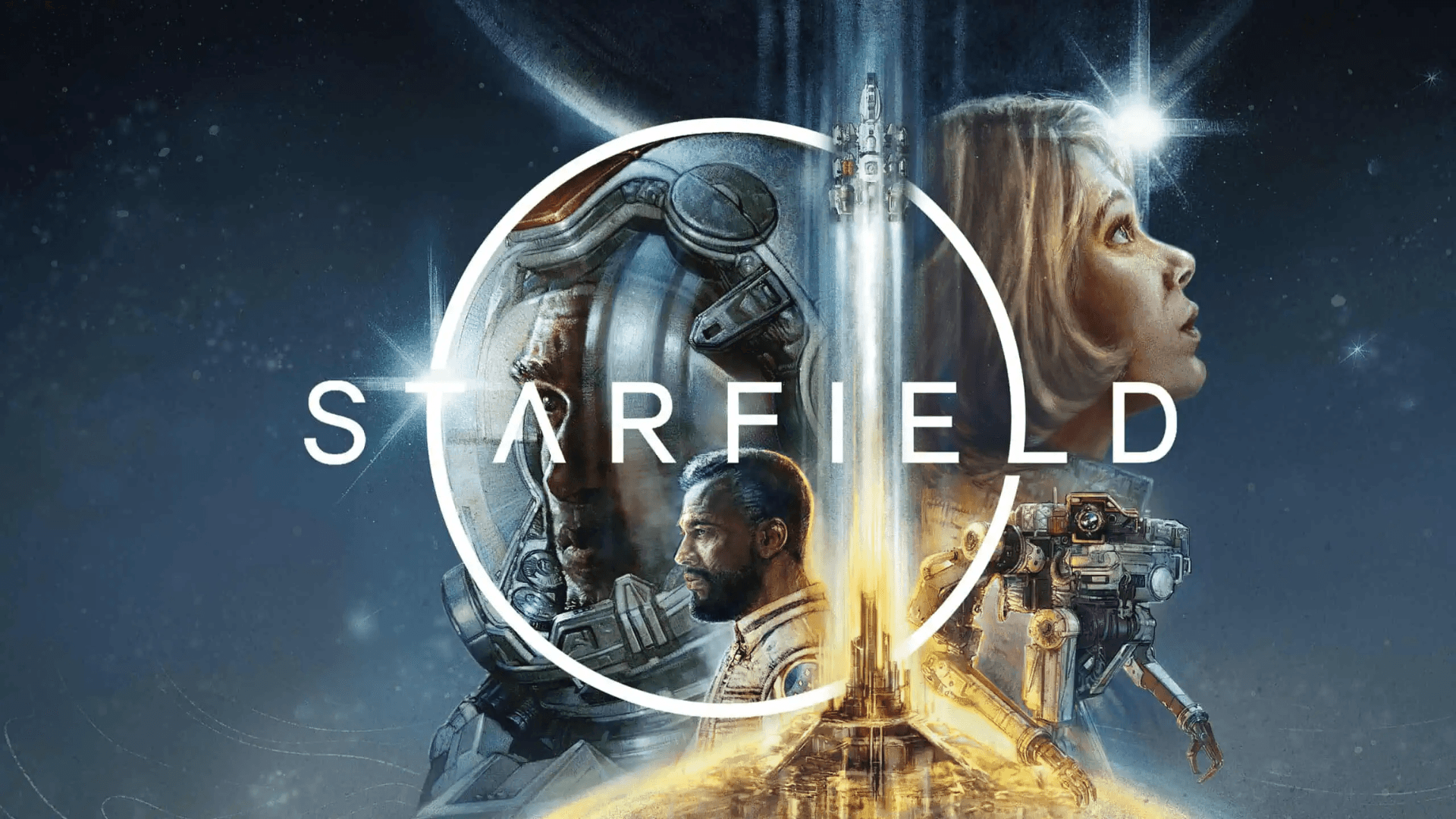
Starfield: Petualangan Luar Angkasa dengan Skala Epik
Starfield menawarkan kebebasan yang luar biasa dalam menciptakan karakter dan menentukan jalan cerita. Sistem background dan traits memungkinkan pemain untuk membangun identitas yang unik, mempengaruhi dialog dan pilihan yang tersedia sepanjang permainan. Berbagai faksi dengan agenda dan filosofi berbeda dapat diikuti, masing-masing dengan quest line yang mendalam dan reward yang signifikan. Sistem ship building yang kompleks memungkinkan pemain untuk merancang dan membangun kapal luar angkasa impian mereka, dari pesawat tempur kecil hingga kapal kargo raksasa. Outpost building juga kembali dengan sistem yang lebih canggih, memungkinkan pemain untuk membangun dan mengelola koloni di planet mana pun yang mereka kunjungi.
Starfield: Petualangan Luar Angkasa dengan Skala Epik
Starfield adalah game terbaru yang membawa pemain ke petualangan luar angkasa epik dengan skala yang belum pernah dicapai Bethesda sebelumnya. Sebagai game original pertama dari studio yang dikenal dengan The Elder Scrolls dan Fallout, Starfield menghadirkan lebih dari seribu planet yang dapat dijelajahi, masing-masing dengan lingkungan dan rahasia yang unik. Pemain berperan sebagai anggota Constellation, organisasi penjelajah yang mencari artefak misterius di seluruh galaksi. Bagi Anda yang mencari hiburan gaming berkualitas, kunjungi sukawin88 untuk pengalaman bermain yang tidak kalah seru.
Gameplay Starfield menggabungkan elemen eksplorasi, pertempuran, dan role-playing dalam paket yang kohesif. Pertempuran senjata api terasa responsif dengan berbagai pilihan senjata yang dapat dimodifikasi. Pertempuran luar angkasa menawarkan pengalaman yang berbeda dengan manajemen daya dan sistem targeting yang membutuhkan strategi. Eksplorasi planet menjadi inti dari pengalaman dengan setiap dunia menawarkan kejutan dan penemuan yang berbeda. Sistem crafting dan modifikasi yang mendalam memungkinkan pemain untuk menyesuaikan peralatan sesuai kebutuhan. Meskipun menghadapi beberapa kritik terkait loading screen dan optimasi, Starfield tetap menawarkan pengalaman yang mengesankan dengan skala yang jarang ditemui.
Dari segi visual, Starfield menunjukkan kemampuan Creation Engine yang telah diupgrade untuk menangani skala luar angkasa. Pemandangan planet yang memukau, efek pencahayaan yang dramatis, dan desain kapal yang detail menciptakan pengalaman visual yang memuaskan. Sound design yang menggabungkan musik orkestra epik dengan efek suara sci-fi klasik memperkuat atmosfer petualangan luar angkasa. Dukungan mod yang kuat dari komunitas menjadi nilai tambah tersendiri, memastikan game ini akan terus berkembang dan relevan selama bertahun-tahun. Dengan semua potensi yang dimilikinya, Starfield menjadi salah satu game terbaru yang wajib dimainkan bagi penggemar game RPG dan sci-fi.